Industrial Safety Equipment: Essential Protection for a Safer Workplace
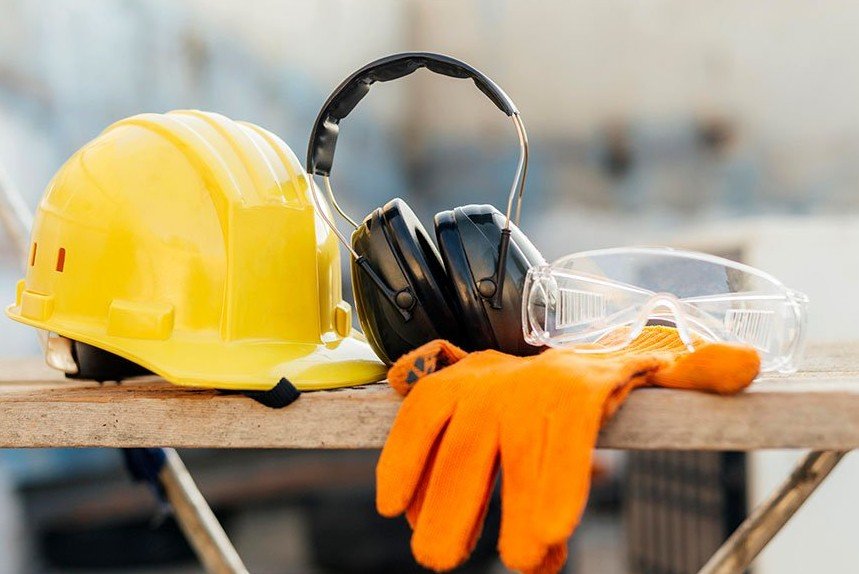
Industrial workplaces can be exciting places to work, but they also come with serious risks. Over the years, I’ve visited manufacturing plants, construction sites, warehouses, and production facilities where safety was either taken very seriously or, unfortunately, treated as an afterthought. The difference was obvious almost immediately.
I remember walking through a factory where every employee wore proper personal protective equipment (PPE). Hard hats, safety glasses, gloves, and protective footwear were being used correctly. The workplace felt organized and professional. On the other hand, I’ve seen sites where workers ignored basic safety procedures. Honestly, it made me nervous just standing there.
Industrial safety equipment plays a critical role in protecting workers from injuries, reducing workplace accidents, and ensuring compliance with occupational safety regulations. Whether you’re managing a construction site, operating heavy machinery, or working in a chemical processing plant, having the right safety equipment can literally save lives.
What Is Industrial Safety Equipment?
Industrial safety equipment refers to protective devices, clothing, and systems designed to safeguard workers from workplace hazards. These hazards may include physical injuries, chemical exposure, electrical accidents, falls, fire hazards, and respiratory dangers.
The primary goal of safety equipment is to minimize risks and create a safer working environment. While safety training is important, equipment serves as the physical barrier between workers and potential hazards.
Why Safety Equipment Matters
Many workplace accidents can be prevented through proper safety measures.
Industrial environments often contain:
- Heavy machinery
- Hazardous chemicals
- Electrical systems
- Elevated work areas
- High-temperature equipment
- Moving vehicles
- Sharp tools and materials
Without adequate protection, even a minor mistake can result in severe injury.
Types of Industrial Safety Equipment
Different industries require different types of protection. Selecting the right equipment depends on the specific hazards present in the workplace.
Head Protection Equipment
Head injuries can be extremely serious and often life-changing.
Hard Hats
Hard hats protect workers from:
- Falling objects
- Flying debris
- Electrical hazards
- Impact injuries
Construction sites, manufacturing facilities, and warehouses commonly require hard hats as part of standard PPE.
Safety Helmets
Advanced safety helmets may include:
- Chin straps
- Face shields
- Hearing protection attachments
- Ventilation systems
These features provide additional protection and comfort during long work shifts.
Eye and Face Protection
Eye injuries are surprisingly common in industrial settings.
I once spoke with a maintenance technician who admitted he skipped safety glasses for a quick repair job. A small metal fragment struck his eye, resulting in weeks of treatment. It was a painful lesson that could have been avoided.
Safety Glasses
Safety glasses protect against:
- Dust particles
- Flying debris
- Chemical splashes
- Mechanical impacts
Face Shields
Face shields offer additional protection for tasks involving:
- Grinding
- Welding
- Cutting operations
- Chemical handling
Many workplaces require both safety glasses and face shields for maximum protection.
Hearing Protection
Excessive noise exposure can cause permanent hearing damage.
Unfortunately, hearing loss often develops gradually, making it easy to ignore until significant damage has occurred.
Earplugs
Earplugs are lightweight and effective for reducing noise levels in:
- Manufacturing plants
- Construction sites
- Workshops
Earmuffs
Earmuffs provide greater protection in environments with consistently high noise levels.
They are commonly used near heavy machinery and industrial equipment.
Respiratory Protection Equipment
Airborne hazards can pose serious health risks.
Workers exposed to dust, fumes, vapors, or toxic gases require respiratory protection.
Dust Masks
Dust masks are suitable for environments where airborne particles are present.
Common applications include:
- Woodworking
- Construction
- Mining
- Cement handling
Respirators
Respirators provide more advanced protection.
These devices help protect workers from:
- Chemical vapors
- Toxic gases
- Hazardous airborne contaminants
Proper fit testing is essential to ensure effectiveness.
Hand Protection Equipment
Hands are among the most frequently injured body parts in industrial workplaces.
Choosing the correct gloves is crucial.
Cut-Resistant Gloves
These gloves help prevent injuries from:
- Sharp metal edges
- Glass materials
- Cutting tools
Chemical-Resistant Gloves
Workers handling hazardous substances require gloves designed to resist chemical penetration.
Materials commonly used include:
- Nitrile
- Neoprene
- Butyl rubber
Heat-Resistant Gloves
Industries involving furnaces, welding, or high-temperature processes often require specialized heat-resistant gloves.
Foot Protection Equipment
Foot injuries can result from falling objects, slips, or punctures.
I learned this lesson years ago after seeing a worker drop a heavy steel component on his foot. Thankfully, steel-toe boots prevented a serious injury.
Safety Boots
Safety boots provide protection against:
- Crushing injuries
- Sharp objects
- Slippery surfaces
- Electrical hazards
Steel-Toe Boots
Steel-toe footwear remains one of the most common forms of industrial foot protection.
These boots are designed to absorb impact and reduce injury severity.
Fall Protection Systems
Falls remain one of the leading causes of workplace injuries.
Workers operating at heights require specialized protection.
Safety Harnesses
Safety harnesses help prevent serious injuries during falls.
They are commonly used in:
- Construction
- Telecommunications
- Roofing
- Industrial maintenance
Lifelines and Anchor Systems
These systems provide secure attachment points that help arrest falls before serious injury occurs.
Regular inspection is critical to ensure proper functionality.
High-Visibility Safety Clothing
Visibility is a major safety concern in busy industrial environments.
Workers operating near moving vehicles or heavy equipment should wear high-visibility clothing.
Safety Vests
Reflective safety vests improve worker visibility during both daytime and nighttime operations.
Reflective Jackets
Reflective jackets provide enhanced visibility and weather protection for outdoor workers.
Fire Safety Equipment
Fire hazards exist in many industrial environments.
Having proper fire protection systems can significantly reduce damage and injuries.
Fire Extinguishers
Different fire extinguishers are designed for different fire types:
- Class A: Ordinary combustibles
- Class B: Flammable liquids
- Class C: Electrical fires
- Class D: Combustible metals
Fire Suppression Systems
Industrial facilities often utilize automated fire suppression systems to quickly control fires before they spread.
Emergency Safety Equipment
Preparedness is an essential part of workplace safety.
First Aid Kits
Every workplace should maintain accessible first aid supplies.
A properly stocked kit may include:
- Bandages
- Antiseptics
- Burn treatments
- Eye wash solutions
Emergency Showers and Eyewash Stations
Facilities handling chemicals should provide emergency decontamination stations.
Immediate access can significantly reduce injury severity following exposure.
How to Choose the Right Industrial Safety Equipment
Selecting safety equipment involves more than simply purchasing PPE.
Conduct a Risk Assessment
Identify workplace hazards before choosing equipment.
Consider:
- Physical hazards
- Chemical hazards
- Biological hazards
- Environmental conditions
Ensure Regulatory Compliance
Safety equipment should meet applicable industry standards and regulations.
Compliance helps protect both workers and employers.
Prioritize Comfort and Fit
Workers are more likely to use safety equipment consistently when it fits properly and feels comfortable.
Poorly fitting equipment may reduce protection and increase non-compliance.
Maintaining Industrial Safety Equipment
Even the best equipment becomes ineffective without proper maintenance.
Regular Inspections
Inspect equipment for:
- Cracks
- Wear and tear
- Damaged components
- Expired certifications
Employee Training
Workers should understand:
- Proper use
- Equipment limitations
- Inspection procedures
- Storage requirements
Training helps maximize the effectiveness of safety programs.
Conclusion
Industrial safety equipment serves as the first line of defense against workplace hazards. From hard hats and safety glasses to respirators and fall protection systems, every piece of equipment plays an important role in protecting workers and reducing accidents.
Organizations that invest in quality safety equipment not only comply with regulations but also demonstrate a commitment to employee well-being. A strong safety culture, combined with proper training and reliable protective equipment, creates a safer and more productive workplace for everyone involved.
Frequently Asked Questions (FAQ)
What is industrial safety equipment?
Industrial safety equipment includes protective clothing, devices, and systems designed to reduce workplace hazards and protect workers from injury.
Why is PPE important in industrial workplaces?
Personal protective equipment helps prevent injuries caused by physical, chemical, electrical, and environmental hazards.
What are the most common types of industrial safety equipment?
Common equipment includes hard hats, safety glasses, gloves, respirators, safety boots, hearing protection, and fall protection systems.
How often should safety equipment be inspected?
Safety equipment should be inspected regularly according to manufacturer recommendations and workplace safety policies.
What industries require industrial safety equipment?
Industries such as construction, manufacturing, mining, oil and gas, chemical processing, logistics, and utilities commonly require safety equipment.
Are safety gloves necessary for all industrial jobs?
Not all jobs require the same gloves, but hand protection is essential whenever workers face risks from cuts, chemicals, heat, or abrasions.
What is the purpose of high-visibility clothing?
High-visibility clothing helps workers remain visible to equipment operators and vehicle drivers, reducing accident risks.
How can employers improve safety equipment compliance?
Employers can improve compliance through training, proper equipment selection, regular inspections, and promoting a strong safety culture.
What is the difference between a dust mask and a respirator?
Dust masks protect against airborne particles, while respirators provide more advanced protection against hazardous gases, vapors, and contaminants.
Can industrial safety equipment eliminate all workplace risks?
No. Safety equipment reduces risks significantly, but it should be used alongside training, safety procedures, hazard controls, and workplace inspections.