Industrial Safety Products: Essential Solutions for Workplace Protection
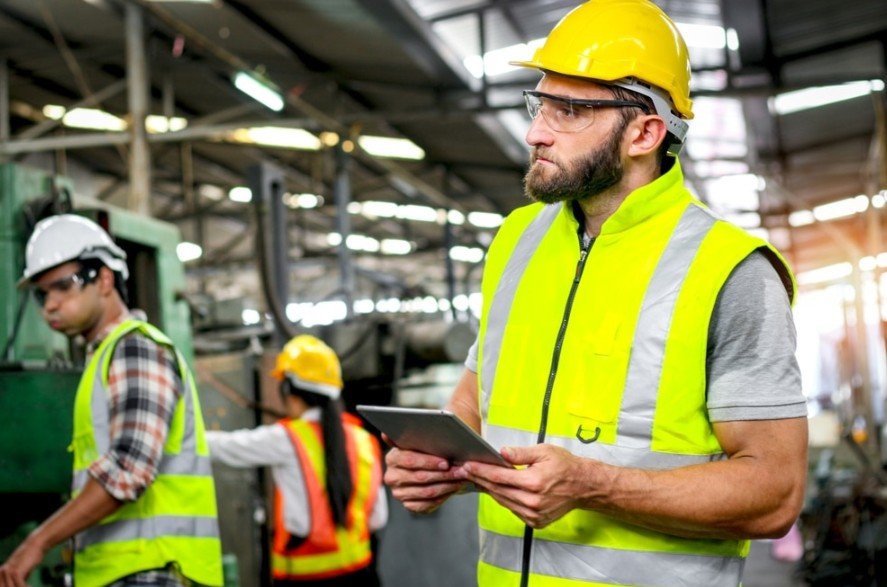
Workplace safety isn’t something most people think about until something goes wrong. I learned that lesson years ago while visiting a manufacturing facility where a simple safety oversight caused a production shutdown for an entire day. Fortunately, no one was seriously injured, but it was a reminder that industrial safety products are not just items on a checklist—they are essential tools that protect lives, equipment, and business operations.
Whether you’re managing a factory, warehouse, construction site, oil refinery, or logistics center, investing in quality industrial safety products is one of the smartest decisions you can make. These products help reduce workplace accidents, improve regulatory compliance, and create a culture where employees feel protected and valued.
Today, industrial safety products go far beyond basic hard hats and gloves. Modern workplaces rely on a wide range of protective equipment, warning systems, emergency response tools, and safety technologies to maintain safe working conditions.
What Are Industrial Safety Products?
Industrial safety products are equipment, devices, and systems designed to prevent workplace injuries, minimize risks, and protect workers from occupational hazards.
These products are used across various industries, including:
- Manufacturing
- Construction
- Mining
- Oil and gas
- Warehousing
- Transportation
- Chemical processing
- Utilities
The primary purpose of industrial safety products is to reduce exposure to hazards while helping organizations meet workplace safety regulations.
Why Safety Products Are Important
I’ve seen workplaces where safety products were viewed as unnecessary expenses. Ironically, those same facilities often experienced higher accident rates and unexpected downtime.
Effective safety products help:
- Prevent injuries and fatalities
- Improve worker confidence
- Reduce insurance costs
- Increase productivity
- Support regulatory compliance
- Protect company assets
A safe workplace is usually a more efficient workplace.
Personal Protective Equipment (PPE)
Personal Protective Equipment, commonly known as PPE, remains one of the most important categories of industrial safety products.
PPE creates a barrier between workers and workplace hazards.
Head Protection Products
Head injuries can occur without warning, especially in environments where overhead work is being performed.
Safety Helmets and Hard Hats
Hard hats help protect workers from:
- Falling tools
- Construction debris
- Electrical hazards
- Impact injuries
Modern helmets often include additional features such as ventilation systems and integrated face shields.
Eye and Face Protection
Eye injuries happen more often than many people realize.
I once spoke with a machine operator who suffered an eye injury because he skipped protective eyewear for a task that took less than five minutes. The recovery period lasted several weeks.
Safety Glasses
Safety glasses provide protection against:
- Flying particles
- Dust
- Chemical splashes
- Mechanical impacts
Face Shields
Face shields are commonly used during:
- Grinding operations
- Welding work
- Chemical handling
- Metal cutting
Many industries require both face shields and safety glasses for maximum protection.
Hand Protection Products
Hands are exposed to countless hazards every day.
Safety Gloves
Different glove types provide protection against:
- Cuts
- Heat
- Chemicals
- Abrasions
- Electrical hazards
Choosing the correct glove material is essential for effective protection.
Foot Protection Products
Industrial environments often present risks from heavy objects and slippery surfaces.
Safety Shoes and Boots
Safety footwear helps protect against:
- Crushing injuries
- Punctures
- Slips and falls
- Electrical hazards
Steel-toe and composite-toe boots are among the most widely used industrial safety products.
Respiratory Protection Products
Airborne contaminants can pose serious health risks.
In some facilities, harmful particles may not even be visible, which makes respiratory protection especially important.
Dust Masks
Dust masks are commonly used in:
- Construction projects
- Woodworking operations
- Cement manufacturing
- Mining activities
Respirators
Respirators provide advanced protection from:
- Toxic gases
- Chemical vapors
- Airborne contaminants
- Hazardous fumes
Proper fit testing is critical for ensuring respirator effectiveness.
Hearing Protection Products
Noise-induced hearing loss is one of the most common workplace health issues.
The frustrating thing is that hearing damage often occurs gradually, making it easy to overlook.
Earplugs
Earplugs are lightweight and affordable solutions for reducing workplace noise exposure.
Earmuffs
Earmuffs offer higher levels of protection in extremely noisy environments.
These products are frequently used around:
- Heavy machinery
- Generators
- Compressors
- Industrial processing equipment
Fall Protection Products
Falls remain one of the leading causes of workplace injuries worldwide.
Workers performing tasks at elevated heights require specialized protection systems.
Safety Harnesses
Safety harnesses distribute fall forces and help prevent severe injuries.
They are commonly used in:
- Roofing
- Construction
- Telecommunications
- Industrial maintenance
Lanyards and Lifelines
These products connect workers to secure anchor points and help arrest falls before serious injury occurs.
Anchor Systems
Anchor points are critical components of any fall protection program.
Regular inspection and maintenance are essential for safety.
Workplace Safety Signage
Safety signs are simple yet highly effective industrial safety products.
Good signage helps workers identify hazards quickly.
Warning Signs
Warning signs alert employees to potential dangers such as:
- High voltage
- Hazardous chemicals
- Slippery floors
- Restricted areas
Emergency Exit Signs
Clearly marked exits improve emergency evacuation procedures and reduce confusion during incidents.
Fire Safety Products
Fire hazards can cause devastating damage to both personnel and property.
Every industrial facility should have appropriate fire protection systems in place.
Fire Extinguishers
Different extinguisher types are designed for specific fire classifications.
Common categories include:
- Class A fires
- Class B fires
- Class C fires
- Class D fires
Fire Blankets
Fire blankets are useful for controlling small fires and protecting workers during emergencies.
Fire Alarm Systems
Modern fire alarm systems provide early warning and help facilitate rapid evacuation.
Emergency Response Products
Emergency preparedness can significantly reduce injury severity and operational disruptions.
First Aid Kits
Every workplace should maintain accessible and fully stocked first aid kits.
Essential items include:
- Bandages
- Antiseptic solutions
- Burn treatments
- Emergency medical supplies
Eyewash Stations
Chemical exposure incidents require immediate response.
Eyewash stations provide rapid decontamination and can help prevent serious injuries.
Emergency Showers
Facilities handling hazardous chemicals often install emergency shower systems for worker protection.
Traffic and Warehouse Safety Products
Busy warehouses and logistics centers require specialized safety products.
Safety Barriers
Barriers help separate pedestrians from vehicles and equipment.
Convex Mirrors
Convex safety mirrors improve visibility around corners and blind spots.
Floor Marking Systems
Clearly marked pathways help reduce collisions and improve workplace organization.
Gas Detection and Monitoring Equipment
Industrial facilities often contain hazardous gases that cannot be detected by smell alone.
Portable Gas Detectors
Portable detectors help workers identify dangerous conditions before entering confined spaces.
Fixed Gas Monitoring Systems
These systems continuously monitor air quality and trigger alarms when hazardous gas levels are detected.
Choosing the Right Industrial Safety Products
Selecting safety products should be based on a detailed workplace risk assessment.
Identify Workplace Hazards
Consider factors such as:
- Chemical exposure
- Mechanical risks
- Electrical hazards
- Noise levels
- Air quality
- Fall risks
Understanding hazards helps organizations select appropriate safety solutions.
Prioritize Quality and Certification
I have seen companies attempt to save money by purchasing low-cost safety products. It rarely ends well.
Always choose products that meet recognized safety standards and industry certifications.
Train Employees Properly
Even the best safety products can fail if workers do not understand how to use them correctly.
Training should cover:
- Proper use
- Equipment limitations
- Maintenance procedures
- Inspection requirements
Future Trends in Industrial Safety Products
Technology is transforming workplace safety.
Modern safety solutions increasingly include:
- Smart helmets
- Wearable safety devices
- Real-time monitoring systems
- AI-powered safety analytics
- Connected PPE systems
These innovations help organizations identify risks faster and respond more effectively to potential hazards.
Conclusion
Industrial safety products are essential tools that protect workers, reduce accidents, and support efficient operations. From personal protective equipment and respiratory protection to fire safety systems and gas detection devices, each product plays an important role in maintaining workplace safety.
Organizations that invest in quality safety products demonstrate a commitment to employee well-being and operational excellence. Combined with proper training and strong safety policies, industrial safety products create safer environments where workers can perform their duties confidently and effectively.
Frequently Asked Questions (FAQ)
What are industrial safety products?
Industrial safety products are equipment, devices, and systems designed to protect workers from workplace hazards and reduce the risk of injuries and accidents.
What is the most common industrial safety product?
Personal Protective Equipment (PPE), including hard hats, safety glasses, gloves, and safety boots, is among the most commonly used safety products.
Why are safety products important in industrial workplaces?
They help prevent injuries, improve compliance with safety regulations, reduce downtime, and create a safer work environment.
How often should industrial safety products be inspected?
Inspection frequency depends on the product type and manufacturer recommendations, but regular inspections should be conducted to identify wear and damage.
What industries use industrial safety products?
Industries such as construction, manufacturing, mining, transportation, warehousing, oil and gas, and chemical processing rely heavily on safety products.
What are examples of respiratory protection products?
Examples include dust masks, half-face respirators, full-face respirators, and powered air-purifying respirators.
How do safety signs improve workplace safety?
Safety signs provide visual warnings and instructions that help workers identify hazards and follow safe practices.
What is the purpose of gas detection equipment?
Gas detectors identify dangerous gas concentrations and alert workers before conditions become hazardous.
Are industrial safety products required by law?
In many countries, workplace safety regulations require employers to provide appropriate safety equipment and maintain safe working conditions.
How can businesses improve workplace safety?
Businesses can improve safety by conducting risk assessments, providing proper safety products, offering employee training, and maintaining strong safety policies.